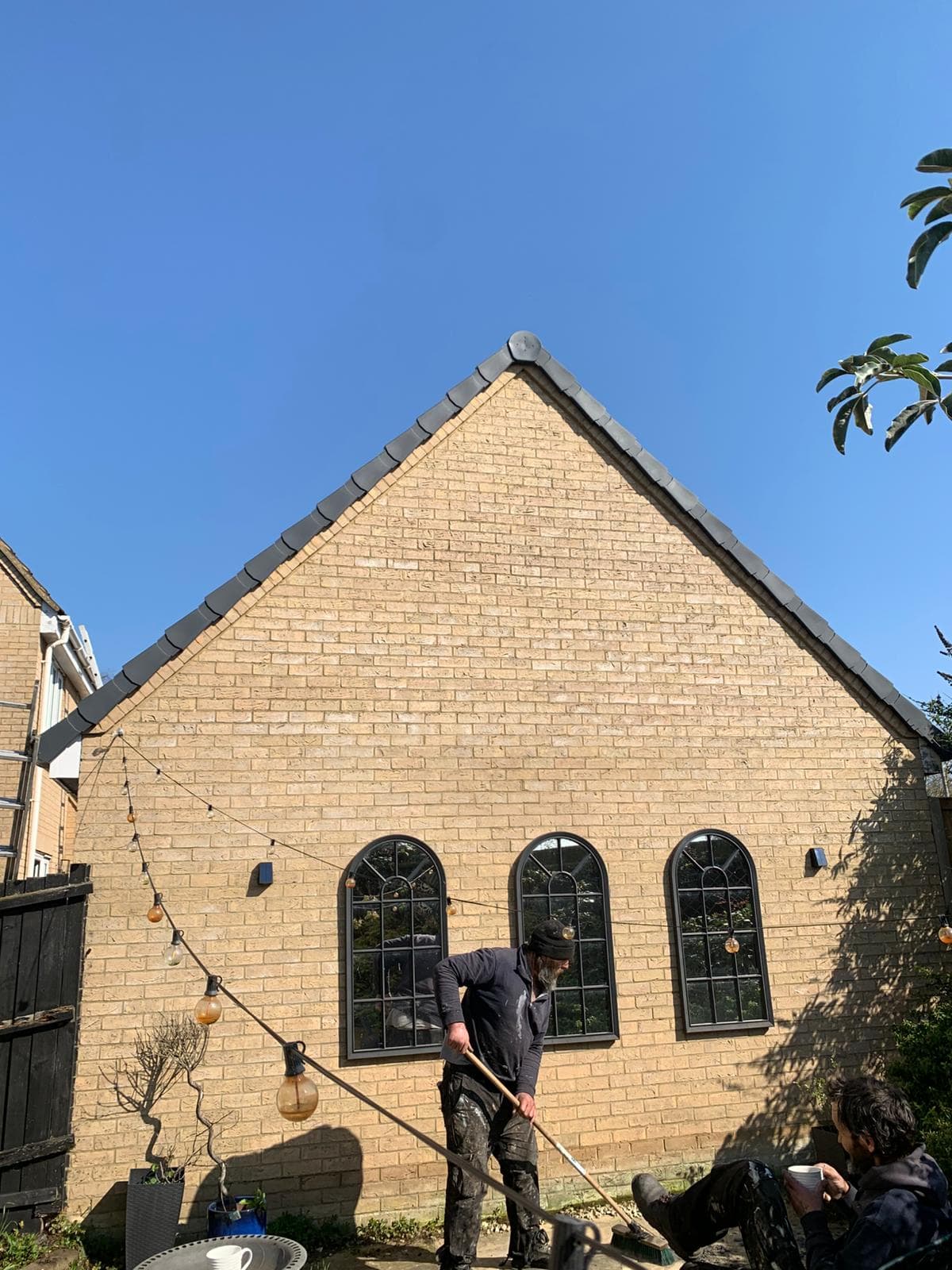
Site Clearing & Demolition
Safely preparing land and removing existing structures before new work begins.
Site clearing prepares land for construction by removing vegetation, debris, old structures, and obstacles, then levelling and grading the ground. Demolition is the controlled removal of existing buildings — by hand, machine, or in rare cases explosives. Done properly, both create a safe, clean, workable site; done badly, they damage neighbours, utilities, and the environment.
Common Damage
1. Damage During Clearing
- Soil erosion from over-clearing or poor drainage
- Damage to nearby structures from machinery
- Strikes on underground utilities (water, gas, electricity)
- Environmental damage to trees, hedgerows, and watercourses
2. Damage During Demolition
- Structural collapse hazards if sequencing is wrong
- Damage to adjacent buildings from impact or vibration
- Dust and noise pollution affecting neighbours
- Flying debris causing injuries or property damage
3. Common Causes
- Lack of proper planning and method statement
- Heavy machinery used without control or banksman
- Site survey information ignored or out of date
- Insufficient temporary supports during partial demolition
Repairs
minor Repairs
- Make good cracks or render damage on adjacent walls
- Reinstate fencing, kerbs, and surfaces
- Localised soil stabilisation and reseeding
moderate Repairs
- Repair damaged underground utilities (pipes, cables)
- Erosion control with matting, drainage, or retaining works
- Environmental restoration — replanting and drainage fixes
- Patch repairs to neighbouring structures
major Repairs
- Structural repairs to adjacent buildings affected by vibration
- Underpinning where ground has been disturbed
- Full reinstatement of damaged services and access roads
- Independent structural sign-off before further works
New Installation
When Replacement Is Needed
- Before any new build, extension, or major refurbishment
- When removing unsuitable materials or unsafe structures
- When preparing ground for foundations and services
Installation Steps
Survey & Plan
- Review site survey and utility records
- Identify trees, protected species, and boundaries
- Produce method statement and risk assessment
Disconnect & Protect
- Isolate gas, water, electricity, and drainage
- Protect adjacent buildings, footpaths, and trees
- Set up dust, noise, and vibration controls
Clear & Demolish
- Manual demolition for delicate or partial works
- Mechanical demolition with excavators for full structures
- Controlled demolition (explosives) only for large specialist jobs
- Sequence top-down to maintain stability
Partial Demolition
- Used for renovations, extensions, or removing damaged sections
- Maintain stability of the remaining structure
- Integrate cleanly with new construction
Clear & Hand Over
- Segregate and remove waste responsibly
- Level and grade the ground ready for groundworks
- Confirm site is safe for follow-on trades
Lifespan
- Site Clearance
- Days to weeks
- Mechanical Demolition
- Days to weeks per structure
- Controlled (Explosive) Demolition
- Specialist — minutes on the day
- Partial Demolition
- Phased to suit follow-on works
Warning Signs
- Vegetation, debris, or old slabs still on the build footprint
- Unsafe or derelict structures on or near the plot
- Underground services not yet located or isolated
- Ground levels unsuitable for the proposed foundations
- Damaged sections of an existing building need removing before extension
Other Construction Services
Excavation & Earthworks
Moving and reshaping ground safely to create a stable base for foundations and infrastructure.
Foundations (Strip, Raft, Pile)
Choosing and building the right base for the soil and the load.
Drainage Systems
Foul, surface and sustainable drainage that keeps the site dry.
Utility Connections (Water, Gas, Electric)
Safe, certified connections to mains water, gas and power.
Ground Levelling & Compaction
Even, stable ground that won't settle under your build.
Concrete Works
From foundations to slabs — concrete designed, placed and cured properly.
Need Help With Site Clearing & Demolition?
Get in touch for a free, no-obligation quote. We'll survey the job and talk you through the options.
Get Your Free Quote